Mornings in Jenin Musical
IN DEVELOPMENT
Book and Lyrics by Amal Bisharat
Music by Amal Bisharat and Bahar Royaee
Adapted from the novel by susan abulhawa
“Dearest Amal,
with a long vowel of hope…”
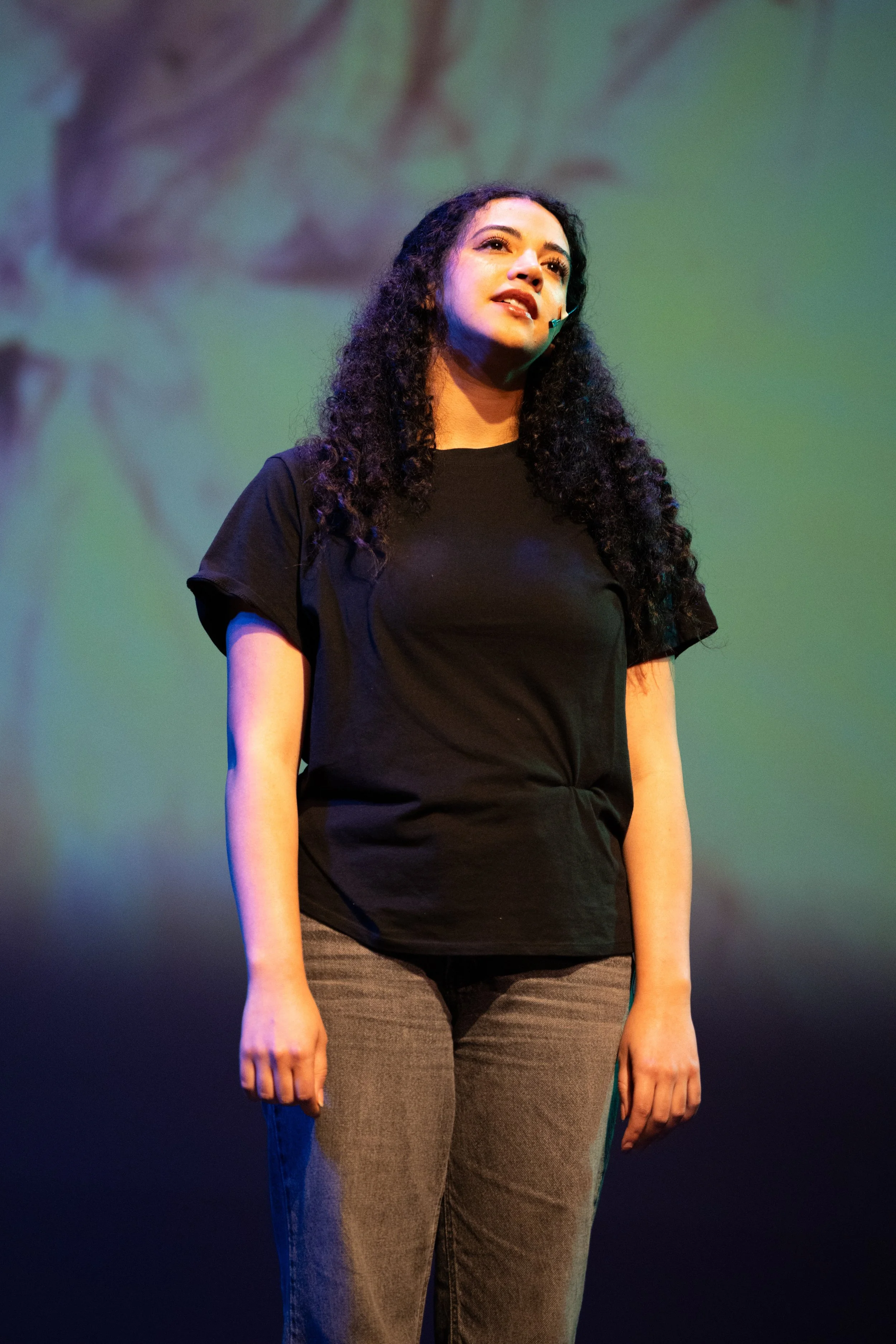
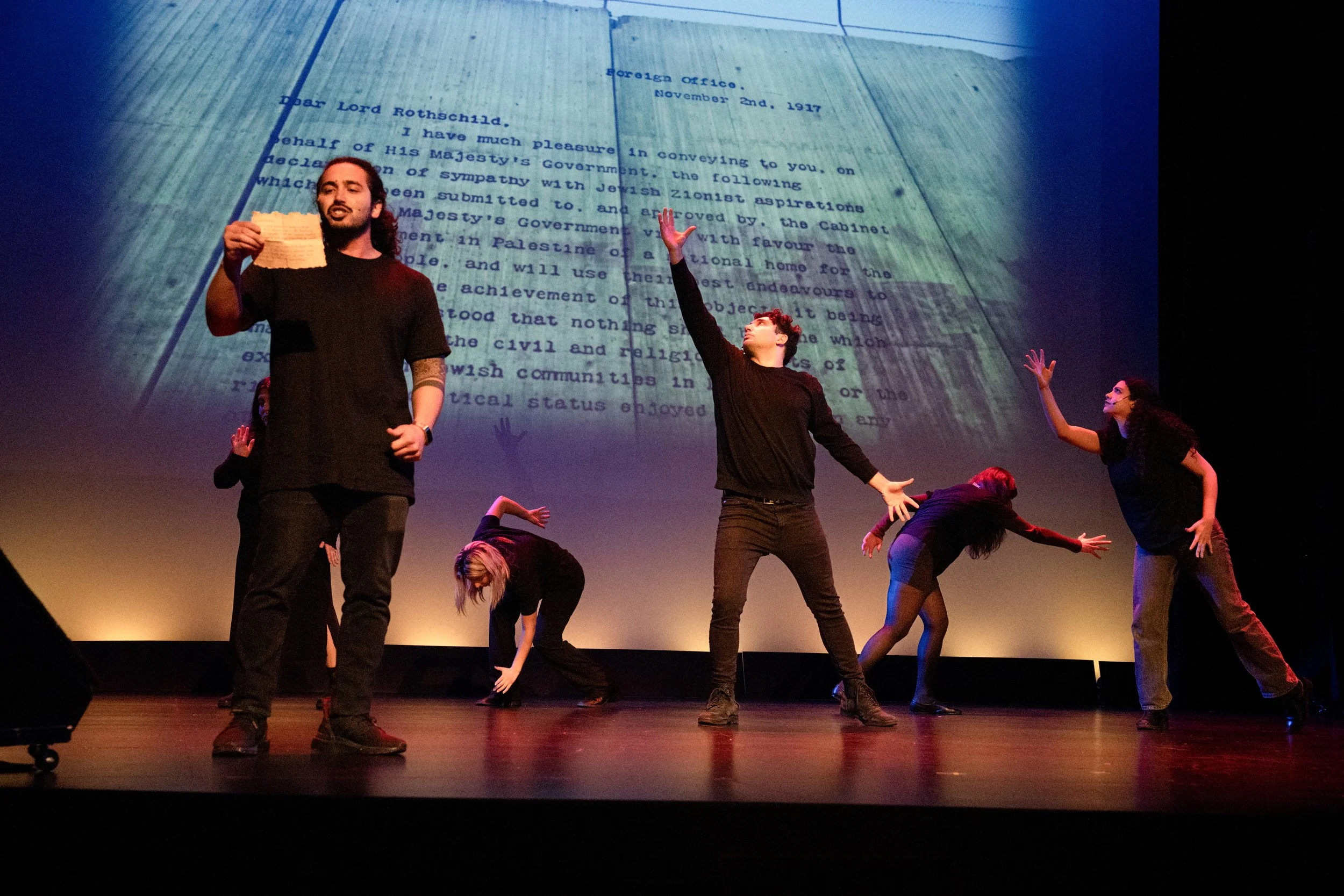
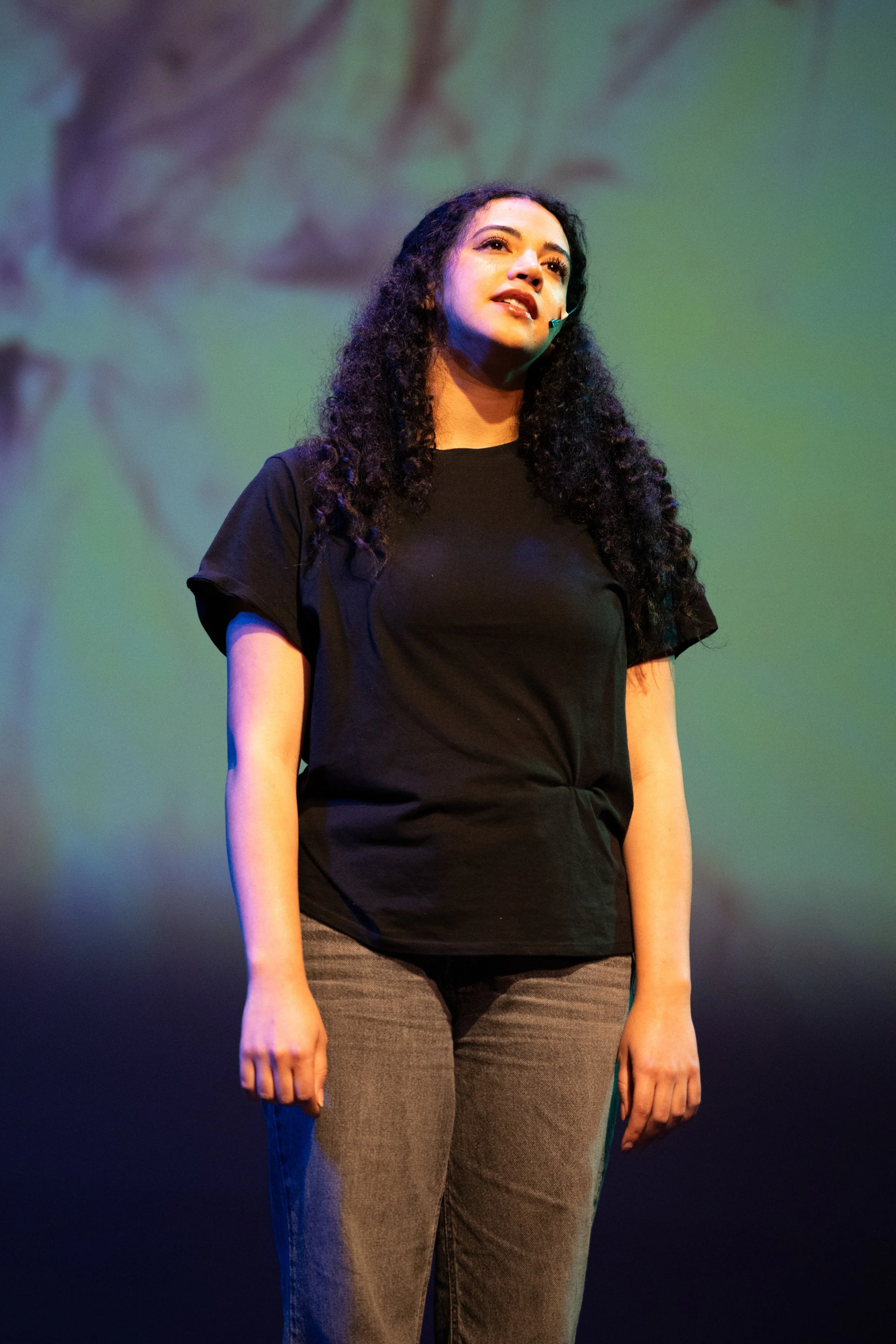
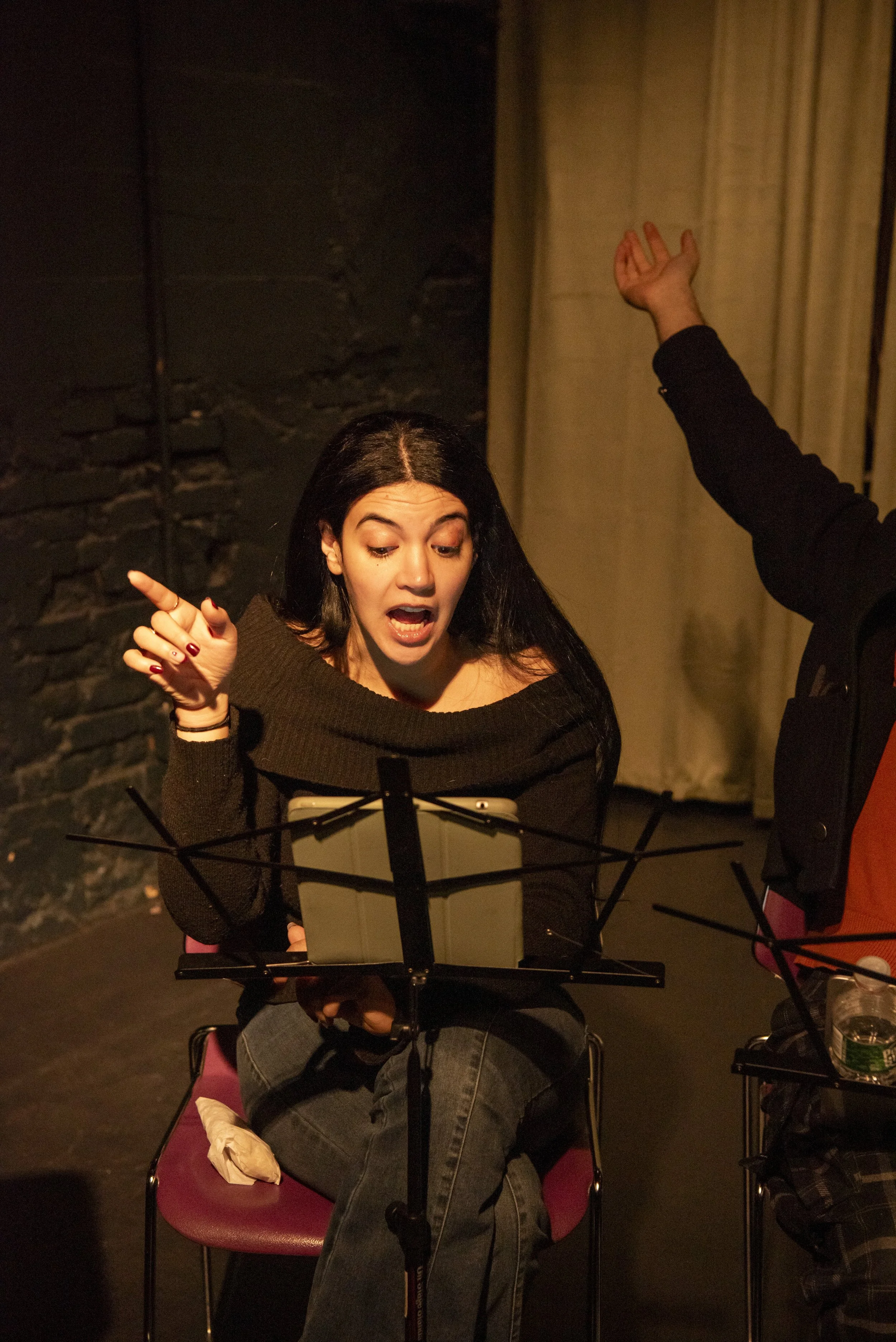
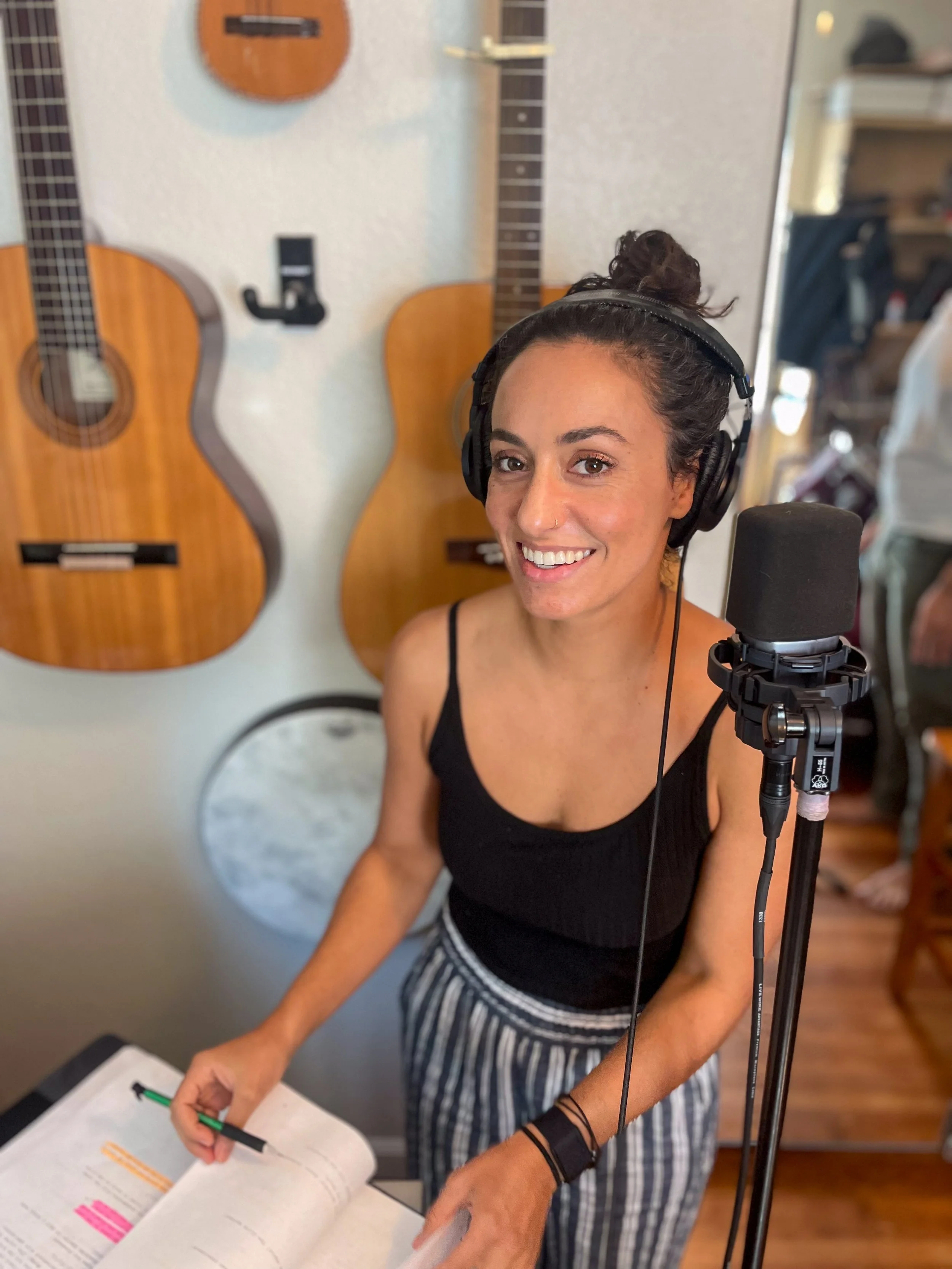
Sophia Alawi at Golden Thread's "What Do the Women Say?"
March 2024, Brava Theater, San Francisco, CA
Photo by Hillary Goidell
Mornings in Jenin Musical is a groundbreaking new musical envisioned by Amal Bisharat and adapted from susan abulhawa’s internationally best-selling novel. This female-driven narrative follows the life of Amal Abulheja, a Palestinian refugee born in Jenin refugee camp in the West Bank after her family was forcibly removed from their olive-farming village by the newly formed state of Israel in 1948 (Al Nakba).
The musical features original music written in collaboration with Iranian composer/sound designer Bahar Royaee. Through storytelling, music, and sound design we aim to create an immersive space that will invite all to experience deep cross-cultural listening.By merging traditional Palestinian songs and lullabies with modern alt-pop techniques, we aim to evoke global understanding and bridge cultural and generational gaps.
At its core, the musical is a love story—about what it means to love someone, to love home, and how love can never actually be lost.
coming up
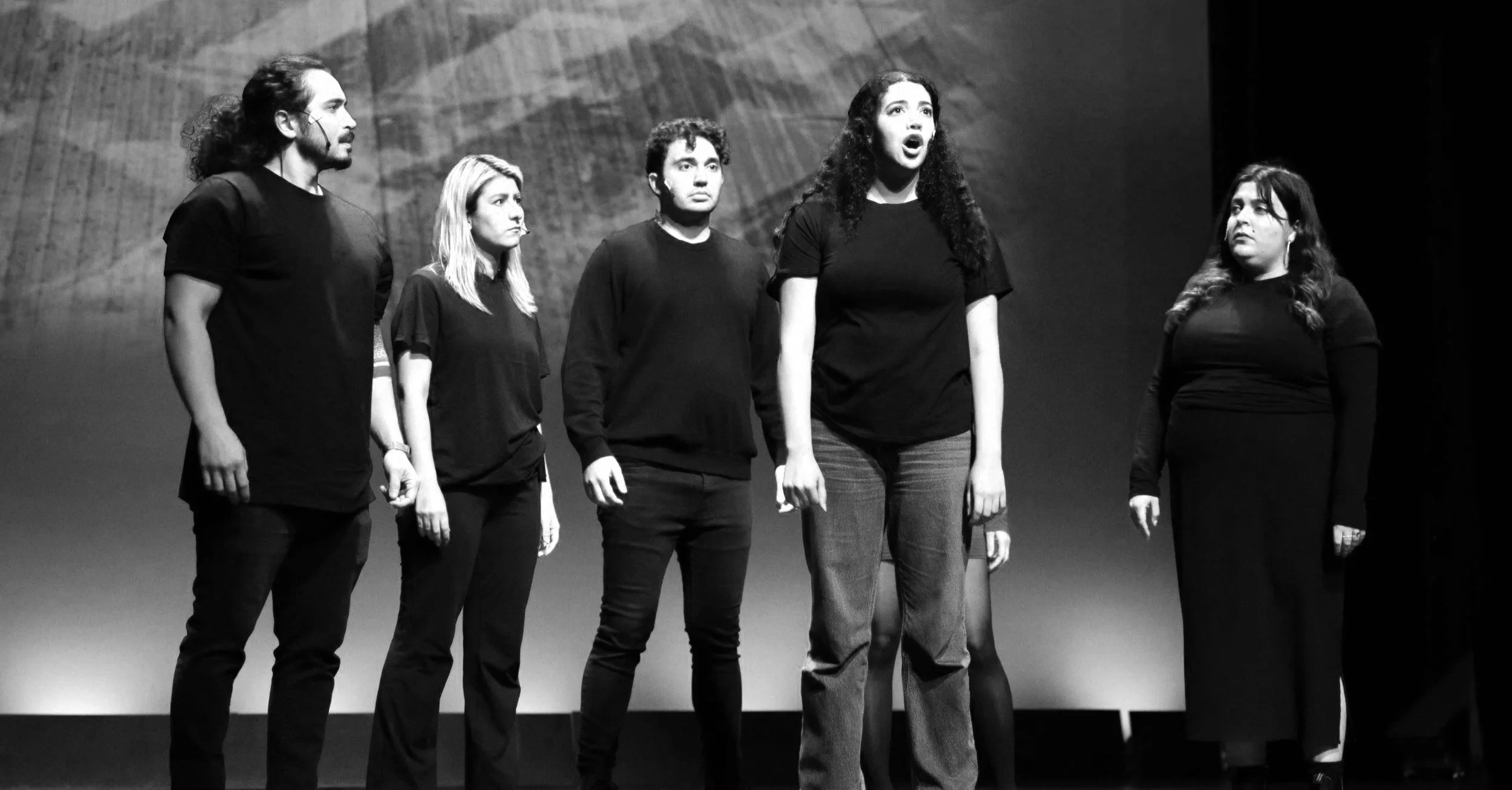
Mornings in Jenin Musical: a concert presentation
October 24 8PM
The Reuff @ A.C.T.
San Francisco, CA
This one-night concert offers audiences a special opportunity to experience the music of this developing new musical while supporting its journey toward a full production. Immediately following the concert, we will have a toast and reception where the audience can meet the artists and learn more about how to support the project. This concert is funded by San Francisco Arts Commission, with special thanks to A.C.T. and Golden Thread Productions.
promo video
demo TRACKS
eclectic alt-pop with arabic influence and Immersive sound DESIGN
"This piece is incredible. I genuinely believe this has a chance to change the course and save lives. Few things strike me like this. I’m devastated, in awe, and totally in love with what’s going to come from this. Much much love and support. Thank you 🙏🏼 "
— Tanya V., Audience Member
"Beautiful inspiring work! Beautiful and moving songs! I look forward to seeing it all fully realized. What a beautiful and powerful contribution to the world you are making. You reminded me how powerful art can be in moving hearts and minds; making visible and giving voice to those needing to be heard. Thank you 🙏💖"
— Kathleen L-W, Audience Member
videos
“Love Out of This Rubble” - Featured Presentation for “What Do the Women Say? 2024,” produced by Golden Thread Productions, Brava Theater Center, SF, CA
March 8, 2024
Performed by Sophia Alawi
Livestream Recording
“Ala Dalouna / We Give Our Love and Labor to the Land (Olive Harvest)” (Acoustic Excerpt)
Act 1 Workshop @ Meem Studio, Brooklyn, NY
March 1, 2026
Performed by Danya El Kurd, Dea Julien, Sophia Alawi, Jad Jacob
Filmed by Honey Court Productions
“Mornings in Jenin” (Acoustic Excerpt)
Poetry by Khalil Gibran
Act 1 Workshop @ Meem Studio, Brooklyn, NY
March 1, 2026
Performed by Sophia Alawi, Jad Jacob
Filmed by Honey Court Productions
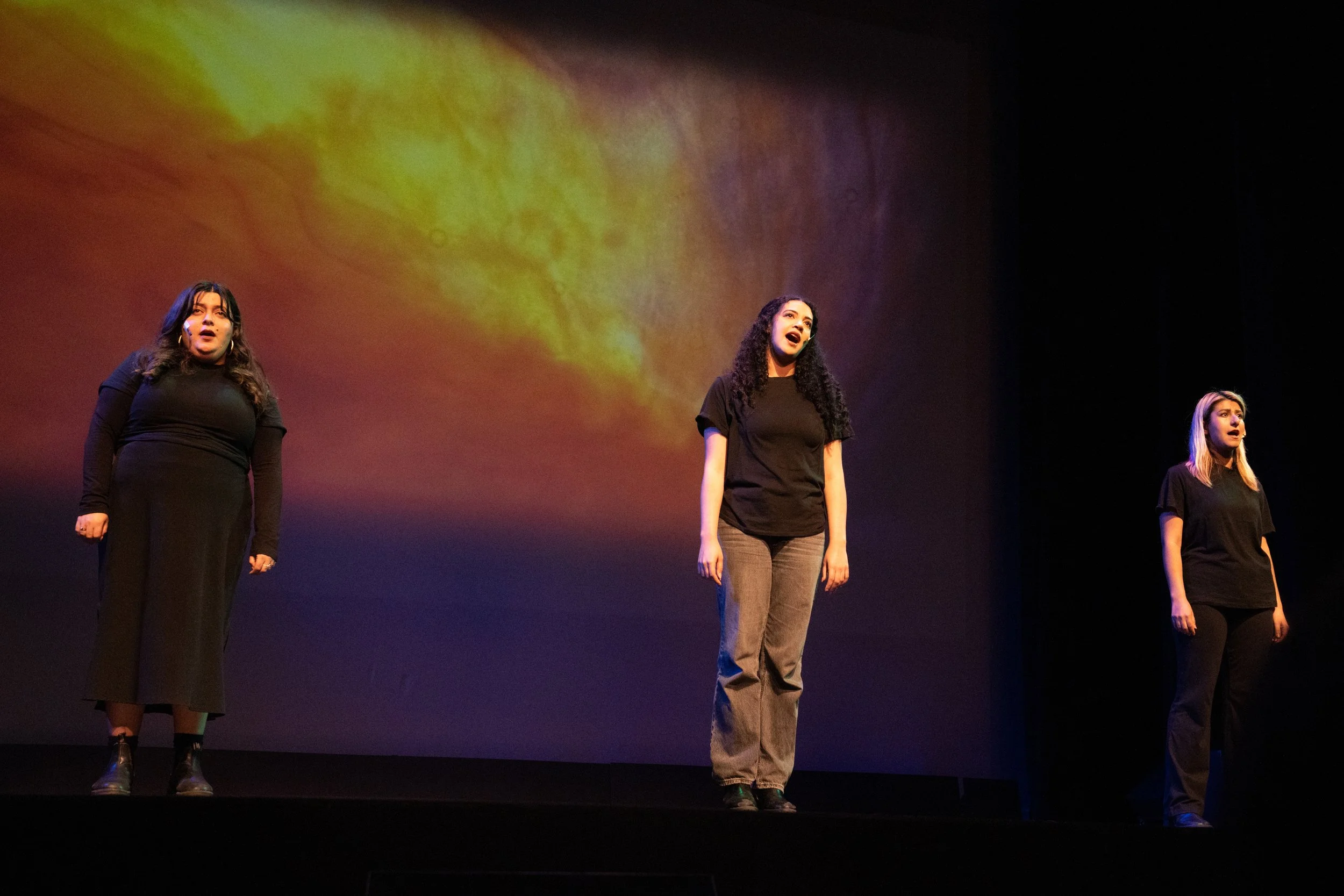
“Keep it Inside” - Featured Presentation for “What Do the Women Say? 2024,” produced by Golden Thread Productions @ Brava Theater Center, SF, CA
March 8, 2024
Performed by Lena Sibony, Sophia Alawi, Yasaman Asgari
Livestream Recording
“Palestine, Frozen in Time” (Acoustic)
Act 1 Workshop @ Meem Studio, Brooklyn, NY
March 1, 2026
Performed by Sophia Alawi, Jad Jacob, Dea Julien, Danya El Kurd. Guitar: Amal Bisharat
Filmed by Honey Court Productions
“Forty Generations” (Acoustic)
Act 1 Workshop @ Meem Studio, Brooklyn, NY
March 1, 2026
Performed by Danya El Kurd, Dea Julien, Jad Jacob, Sophia Alawi
Filmed by Honey Court Productions
Recent happenings
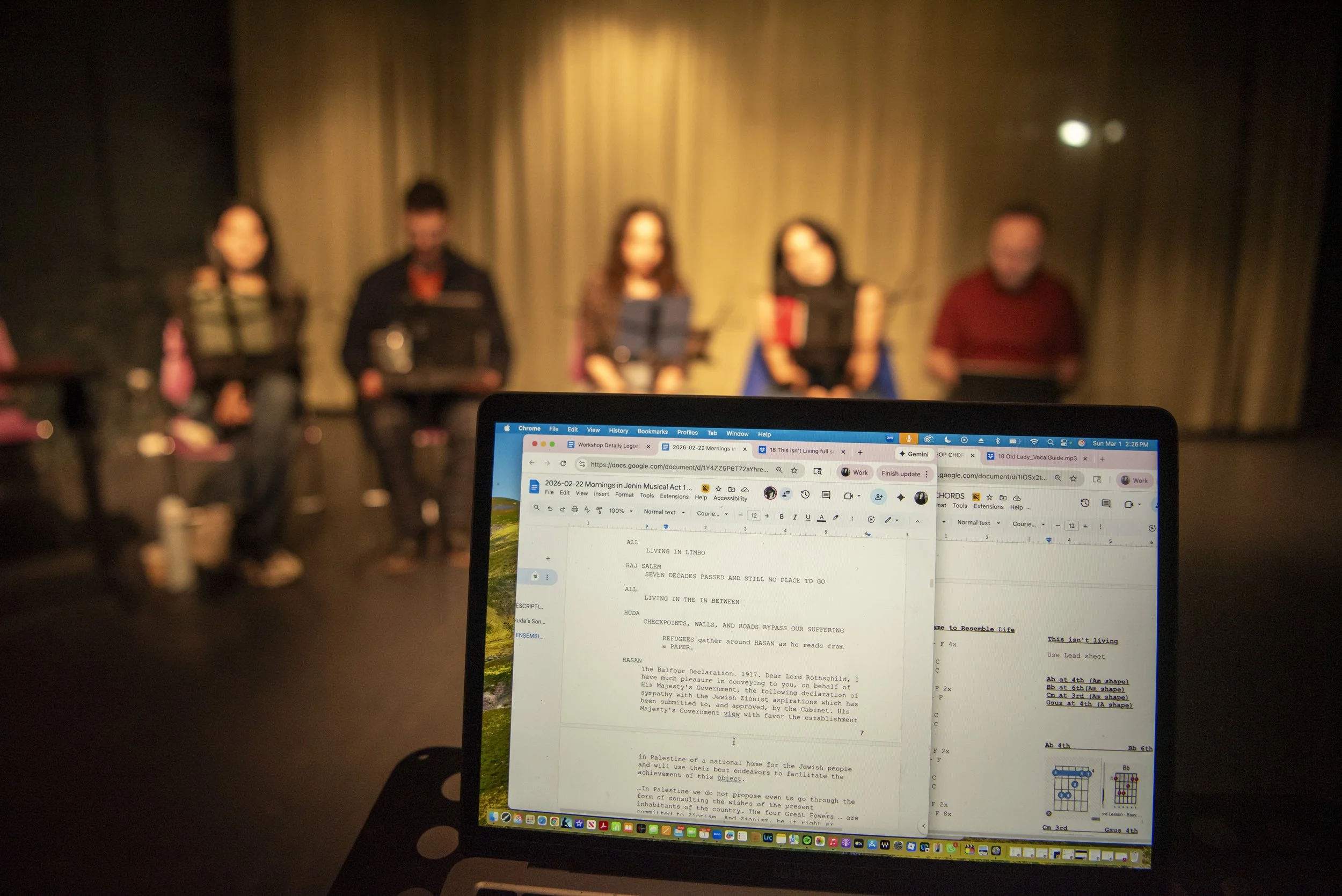
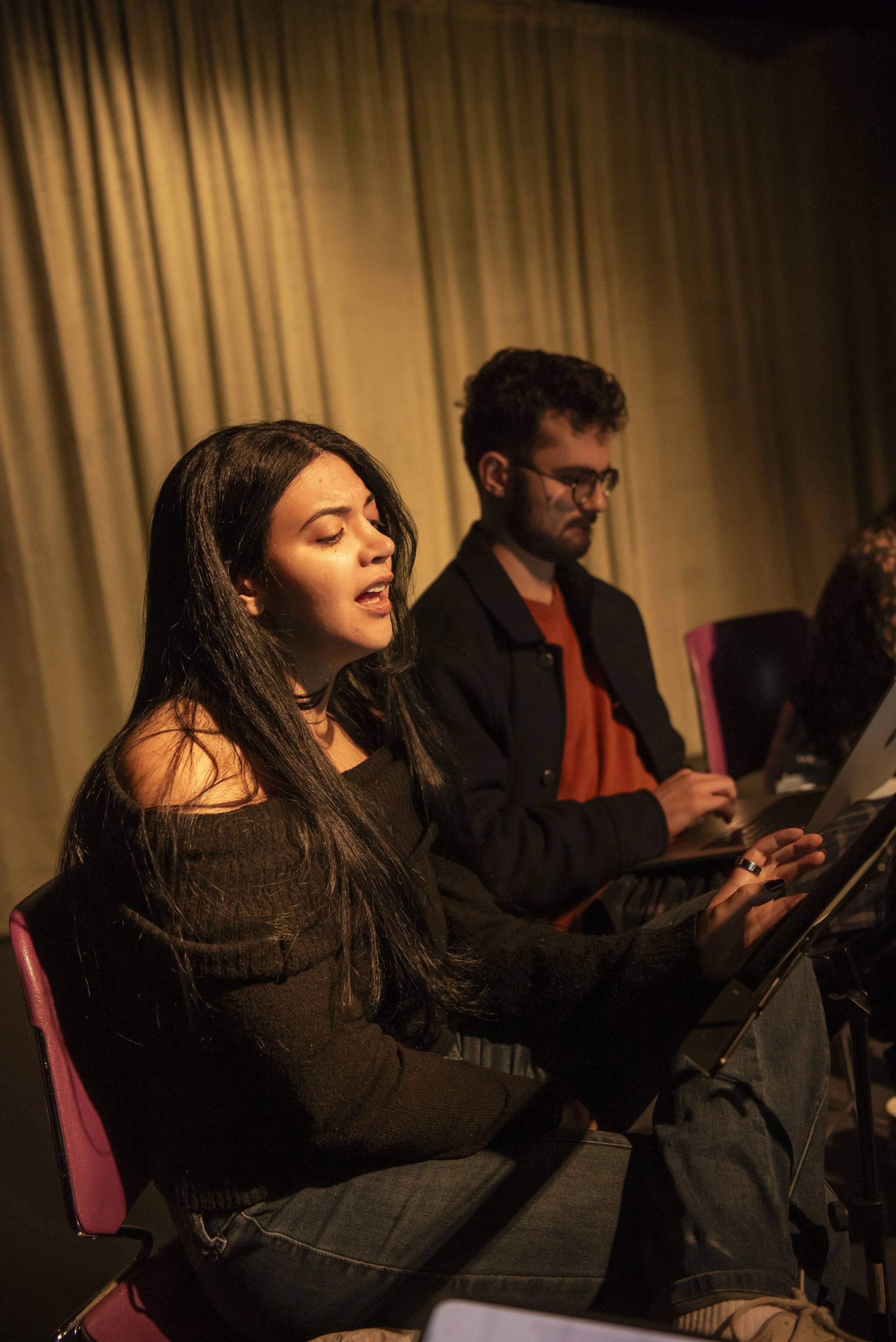
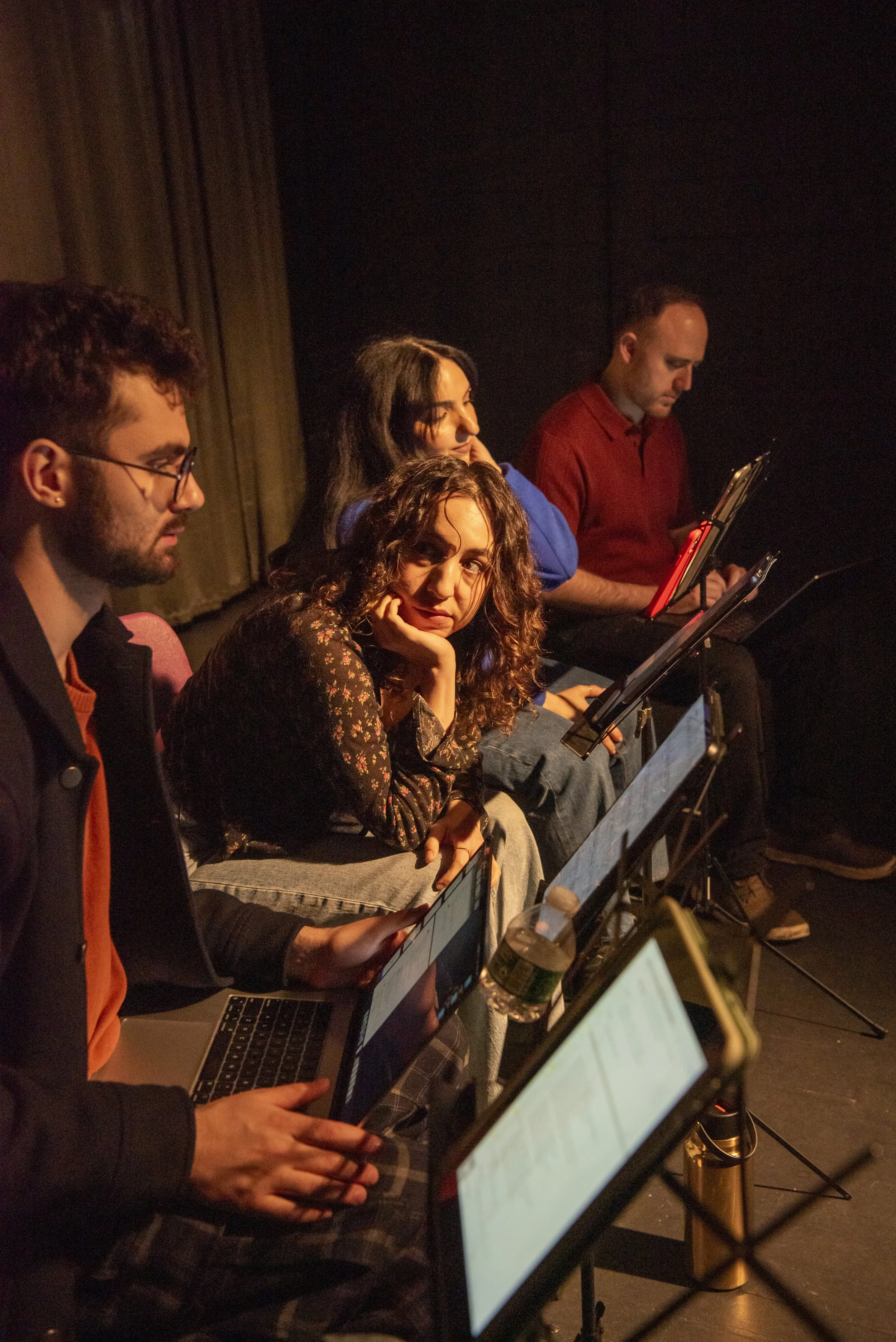
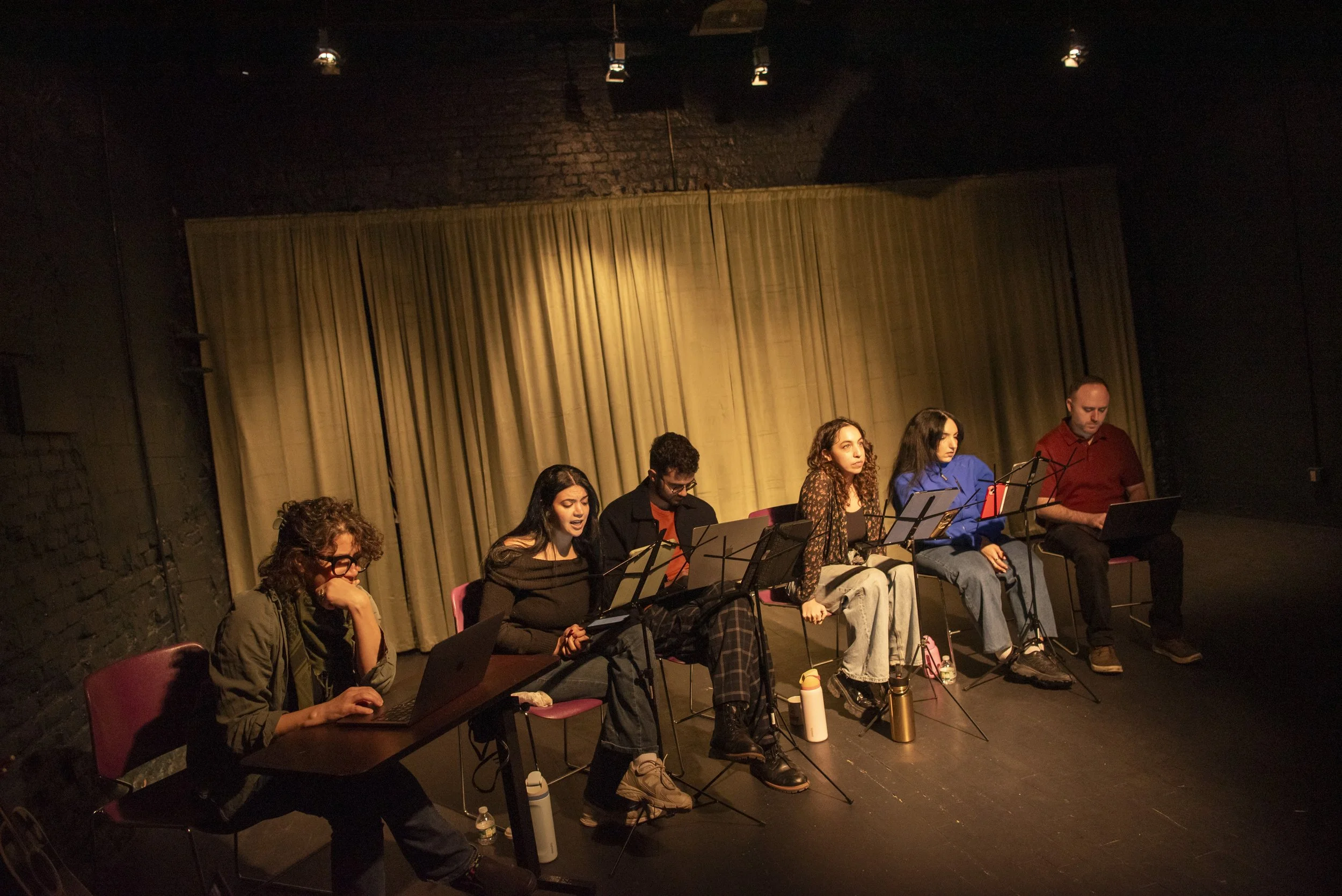
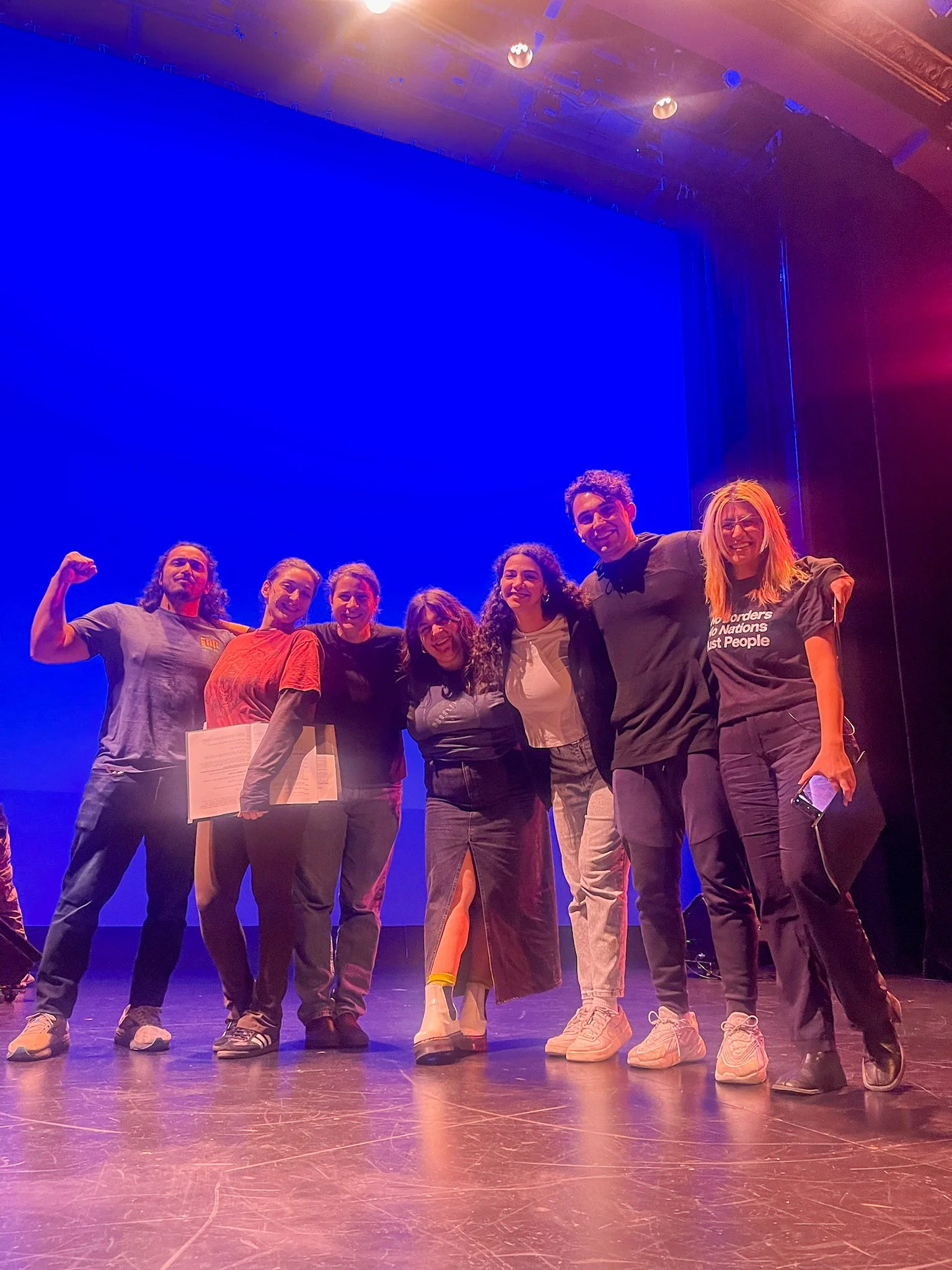
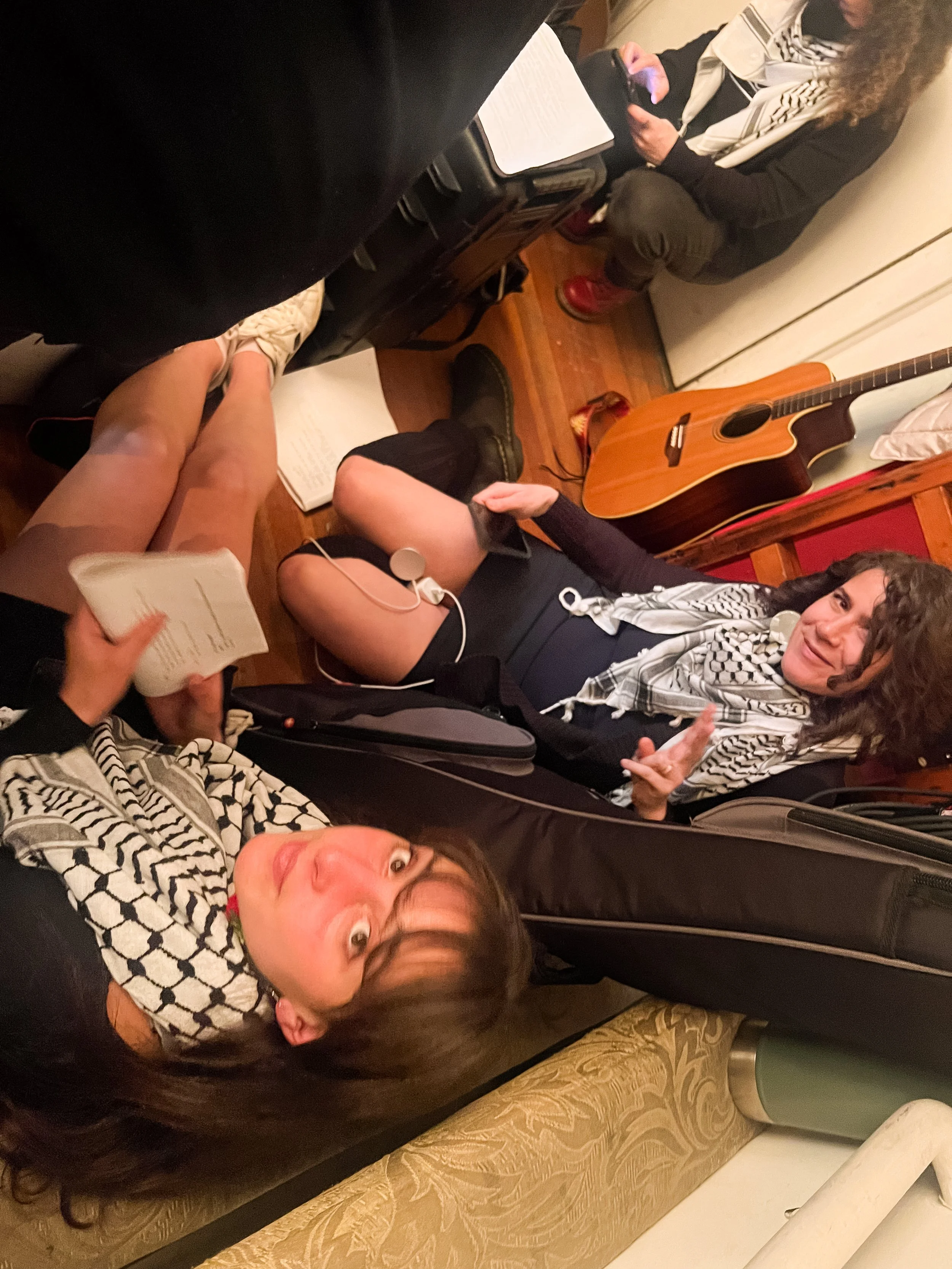
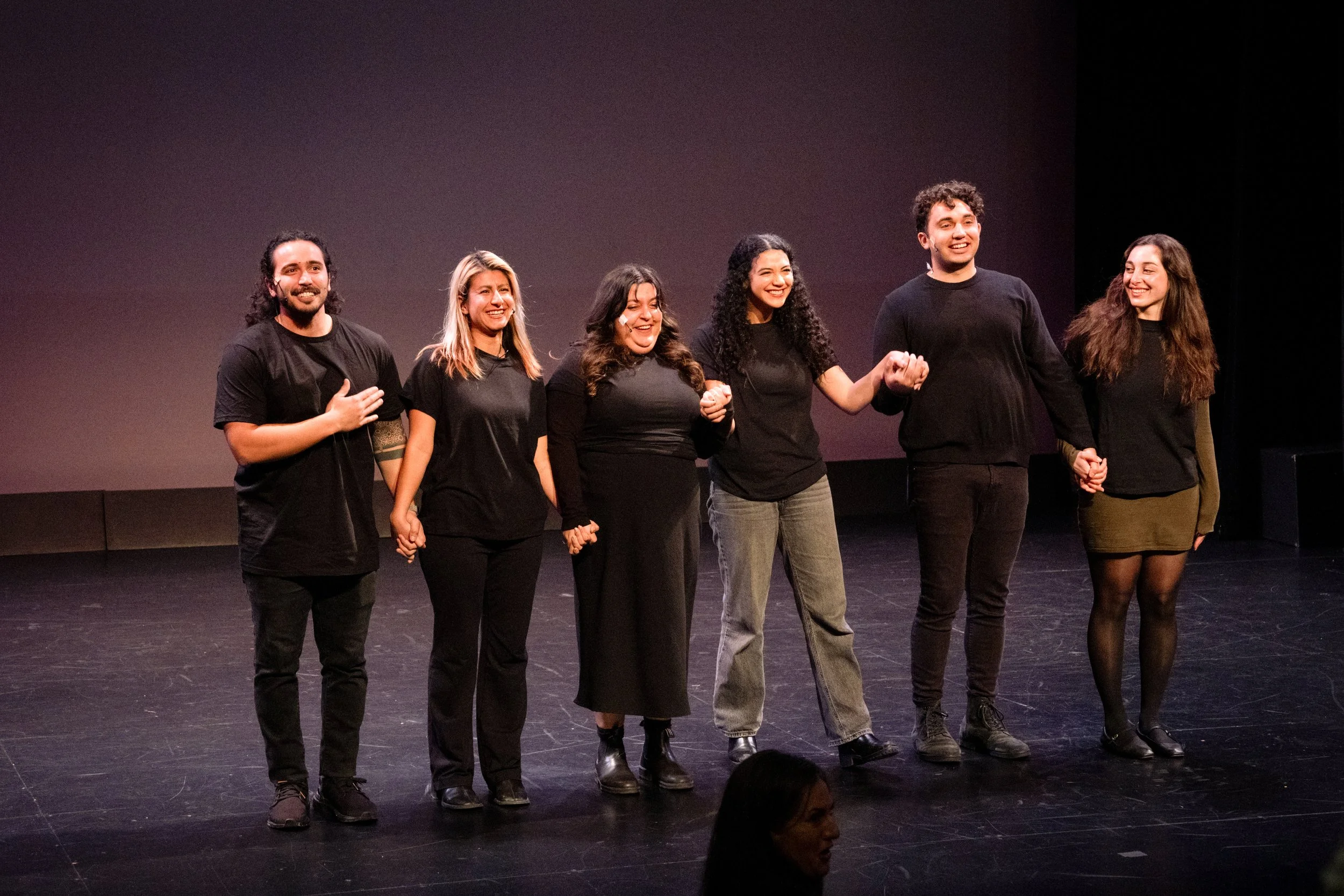
Act 1 Workshop @ Meem Studio, Brooklyn, NY
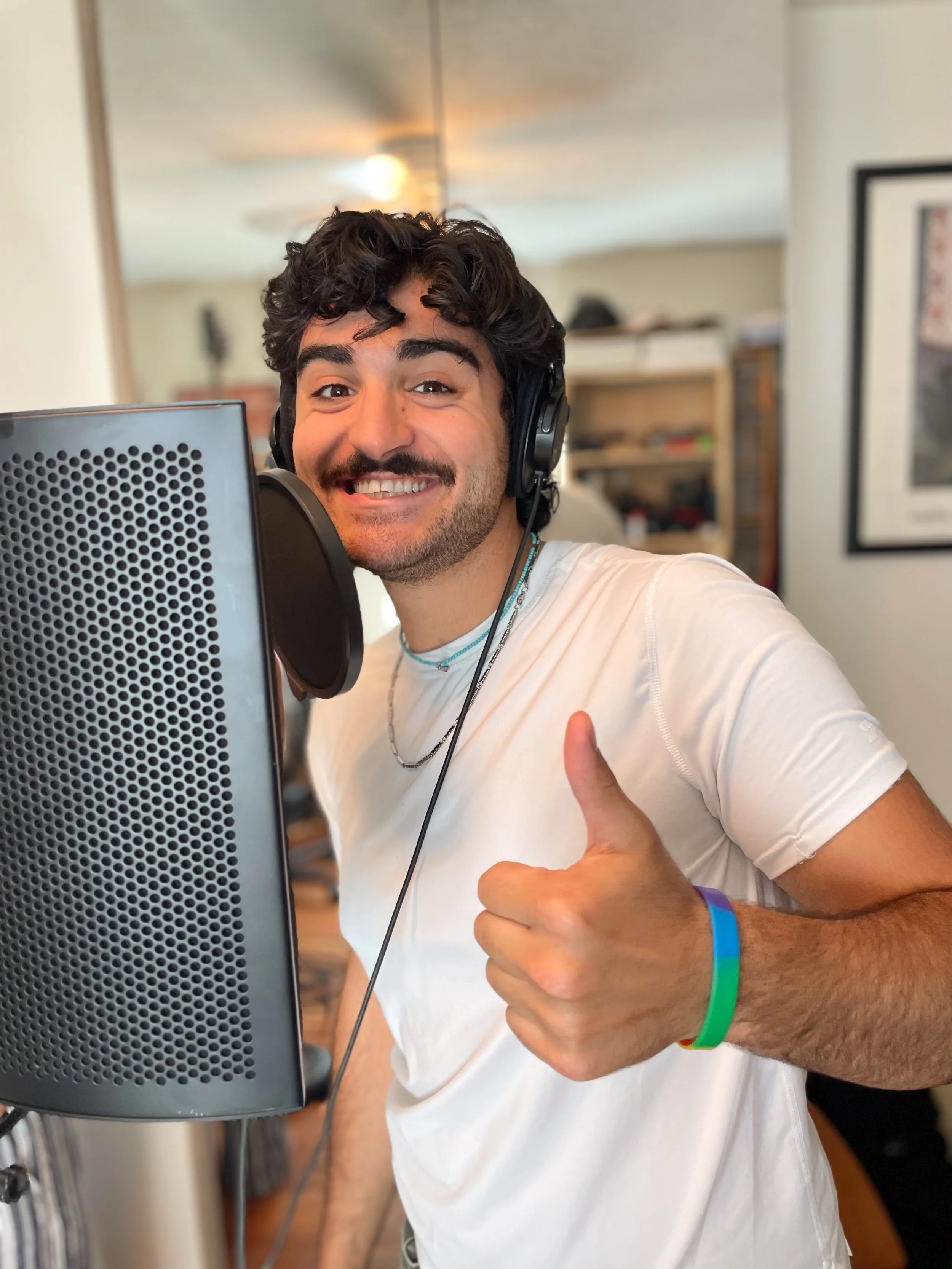
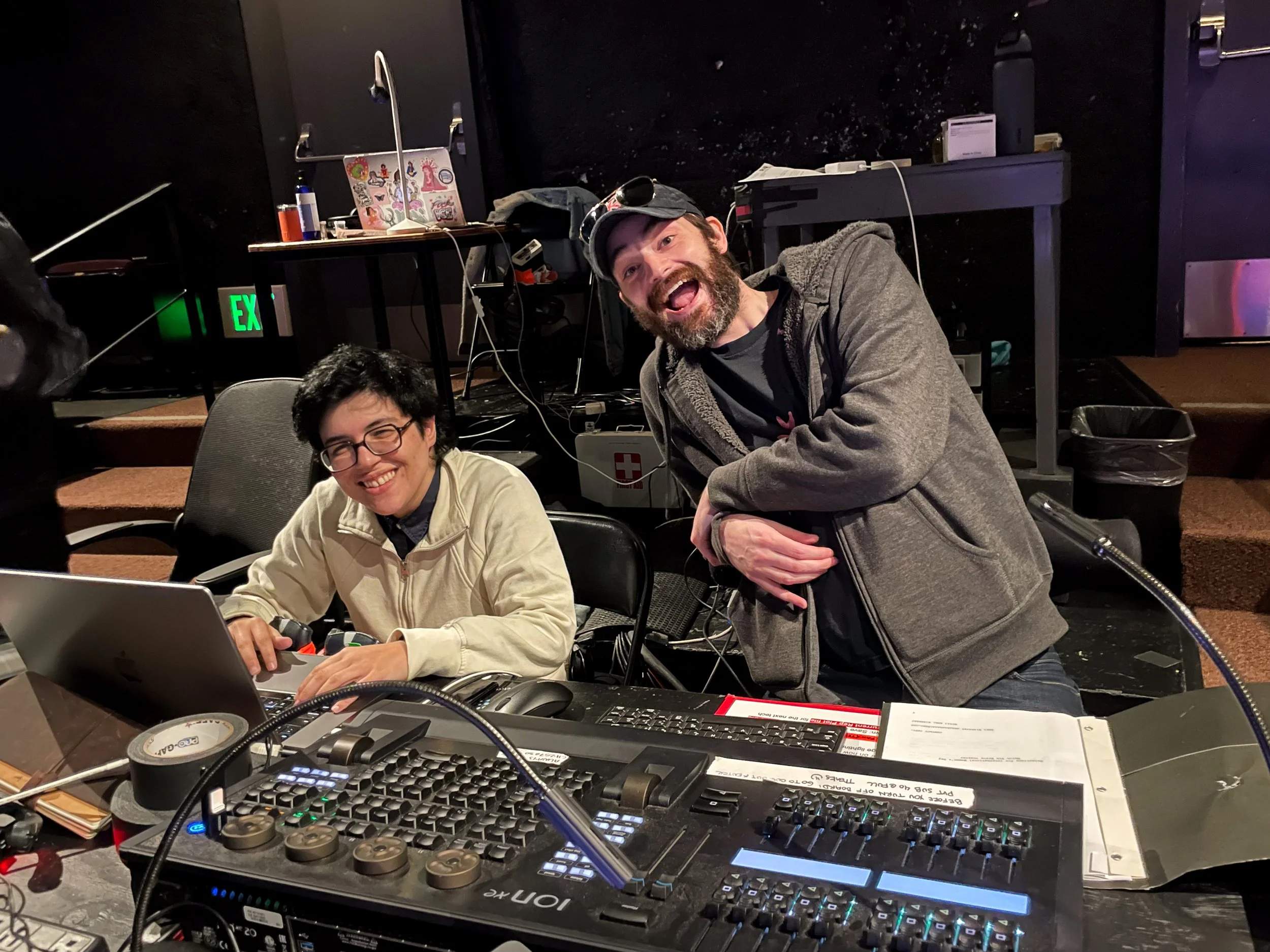
Pictured: Jad Jacob, Dea Julien, Sophia Alawi, Danya El Kurd, Ali Andre, Amal Bisharat
Feb 2026
Photos by Amal Bisharat
Gallery

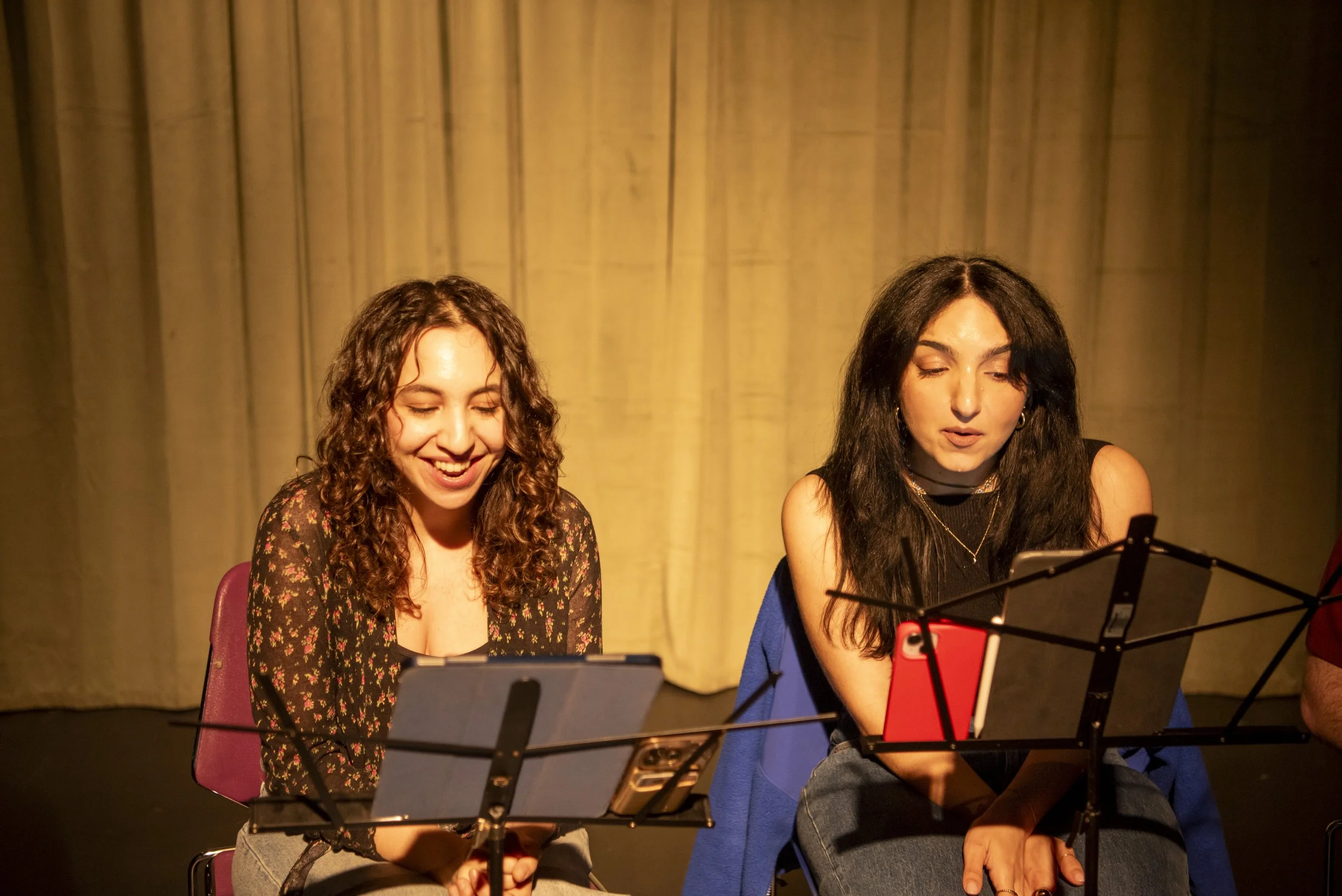
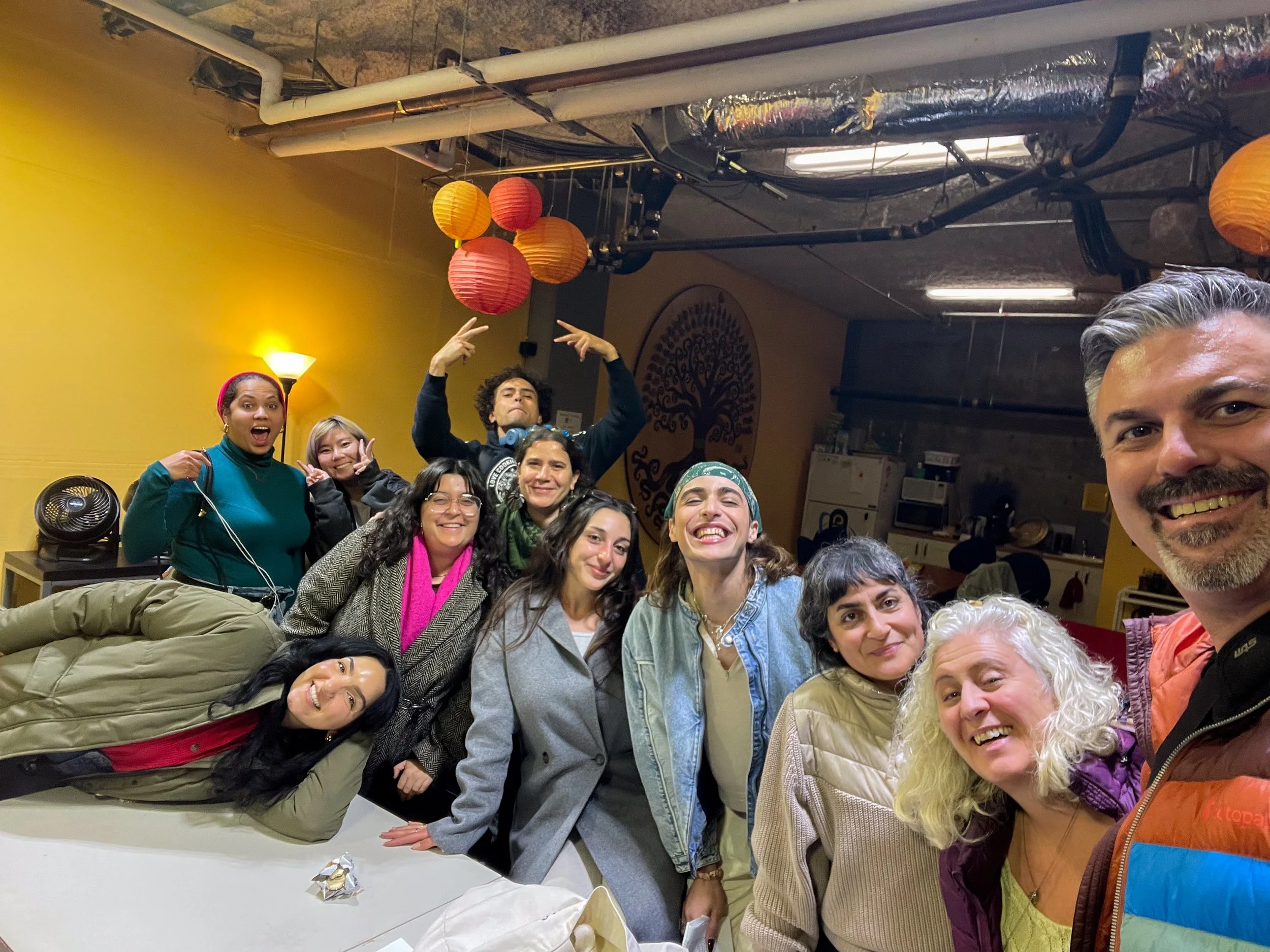
"Thank you for the gift that was getting to do this show with this incredible group of people. It’s been so beautiful and special and allowed me to experience emotions that I hadn’t been processing before, all while telling the beautiful story that you masterfully put into musical form. I can’t wait to see where it goes next. 💜"
— Lena S., Actor/Singer
"That was terrific. The story was very moving and the songs were GREAT. And I’m a huge musical comedy snob so that’s high praise. I really appreciated the tuneful music and the accessible lyrics. I was delighted. Looking toward to the full length."
— John F, Actor, Audience Member
"You mother-f-in’ NAILED IT habeebtee!"
— Heather B., Audience Member
-
Act I
The musical opens at a moment of despair, with a gun held to Amal’s forehead. From here, the story unfolds as she reflects on her past and the events that brought her to this point, confronting loss, displacement, and exile.Flashbacks take the audience to her family’s ancestral village of Ein Hod under the British Mandate. Amal’s parents, Dalia and Hasan, fall in love amidst village traditions and rising tensions. As violence escalates in 1947–48, Ein Hod is bombed, and the villagers expelled. During the chaos, Amal’s infant brother Ismael is kidnapped and raised as a Jew by a Holocaust survivor, while Amal’s family is forced to Jenin Refugee Camp.
Amal is born in 1955. Her father instills in her the importance of education, while her mother teaches her to internalize her pain by telling her to “keep it inside”. Amal grows up amid stories of loss, a best friendship with Huda, and the harsh realities of refugee life. She witnesses her family’s struggles, survives a sniper attack, and eventually earns a scholarship to study in Philadelphia, carrying the weight of exile and memory.
Act II
Now going by Amy, Amal struggles to fit into American life: “I spun in cultural vicissitude… I metamorphosed into an unclassified Arab-Western hybrid, unrooted and unknown.” She focuses on studies and survival, trying to reconcile her Palestinian identity with her U.S. life.Returning to Lebanon, Amal reunites with her brother Yousef and meets Majid, a doctor. They fall in love, marry, and Amal becomes pregnant. But the 1982 Israeli invasion of Lebanon forces her return to the U.S., while Majid, Yousef, and his wife Fatima remain. Majid is killed when Israel bombs his hospital, and Fatima and her daughter are murdered in the Sabra and Shatila massacres. Yousef descends into anger and vengeance, while Amal gives birth to Sara in the U.S., raising her with emotional distance under the weight of grief and trauma.
Over time, Amal reconnects with her long-lost brother David (formerly Ismael) and begins to reconcile with her past. She eventually returns to Jenin with Sara. Soon after, the camp comes under siege.
The story concludes with Sara, David, and Mansour (Huda’s son) carrying the story forward, bridging past and present, and honoring the enduring spirit of family and homeland.
-
09/10/2014 - Ideation.
10/29/2021 - Received theatrical adaptation rights from author, susan abulhawa.
07/25/2022 - Shared and discussed initial creative ideas (13 songs) with susan abulhawa.
02/15/2023 - Completed 1st preliminary draft of the script, with Editor, TC DeWitt, alongside 31 song demos.
8/10/2023 - 1st Music workshop/recording session with sound engineer and local actors/singers.
11/08/2023 - Began working with composer/sound designer Bahar Royaee.
11/21/2023 - Began working with dramaturg Marina Johnson.
12/02/2023 - Invited by Dina Zarif, Artistic Director at Red Poppy Art House to present a 30 minute selection of songs at CEASEFIRE NOW, part of the Mission Arts & Performance Project. Featuring 5 actor/singers and 3-piece band.
03/08/2024 - Invited by Sahar Assaf, Executive Artistic Director of Golden Thread Productions to present a 20-min teaser at “What do the women say? 2024” at Brava Theater. The event was sold out and we received a standing ovation.
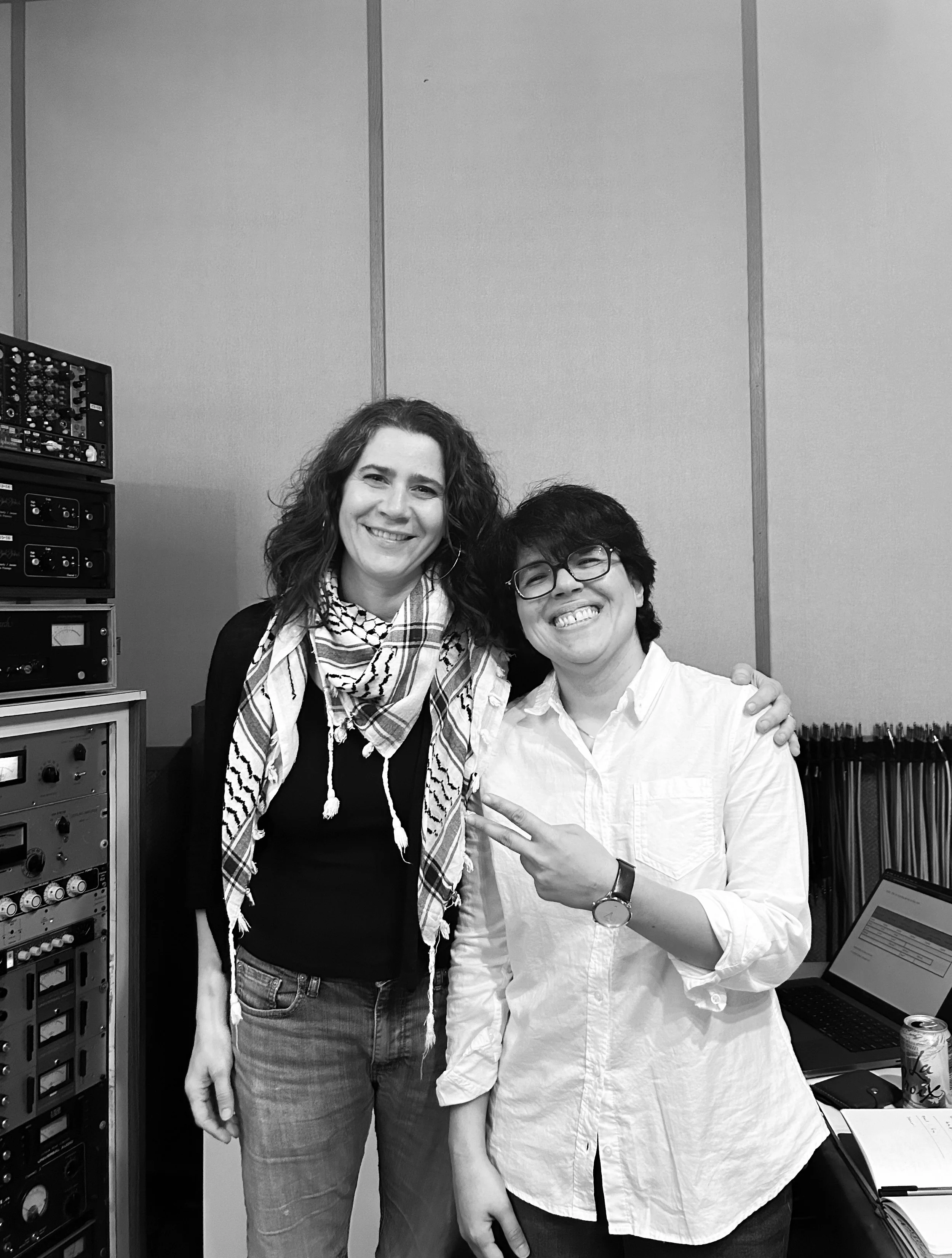
05/03/2024 - Recorded 4 demo songs at Hyde Street Studios, San Francisco.
09/15/2024 - Invited by Deborah Eliezer, Artistic Director at Aviva Arts and Dina Zarif, Artist Director at Red Poppy Art House and to present selected songs for “Women’s Work in Troubled Times” at Red Poppy Art House, San Francisco, CA.
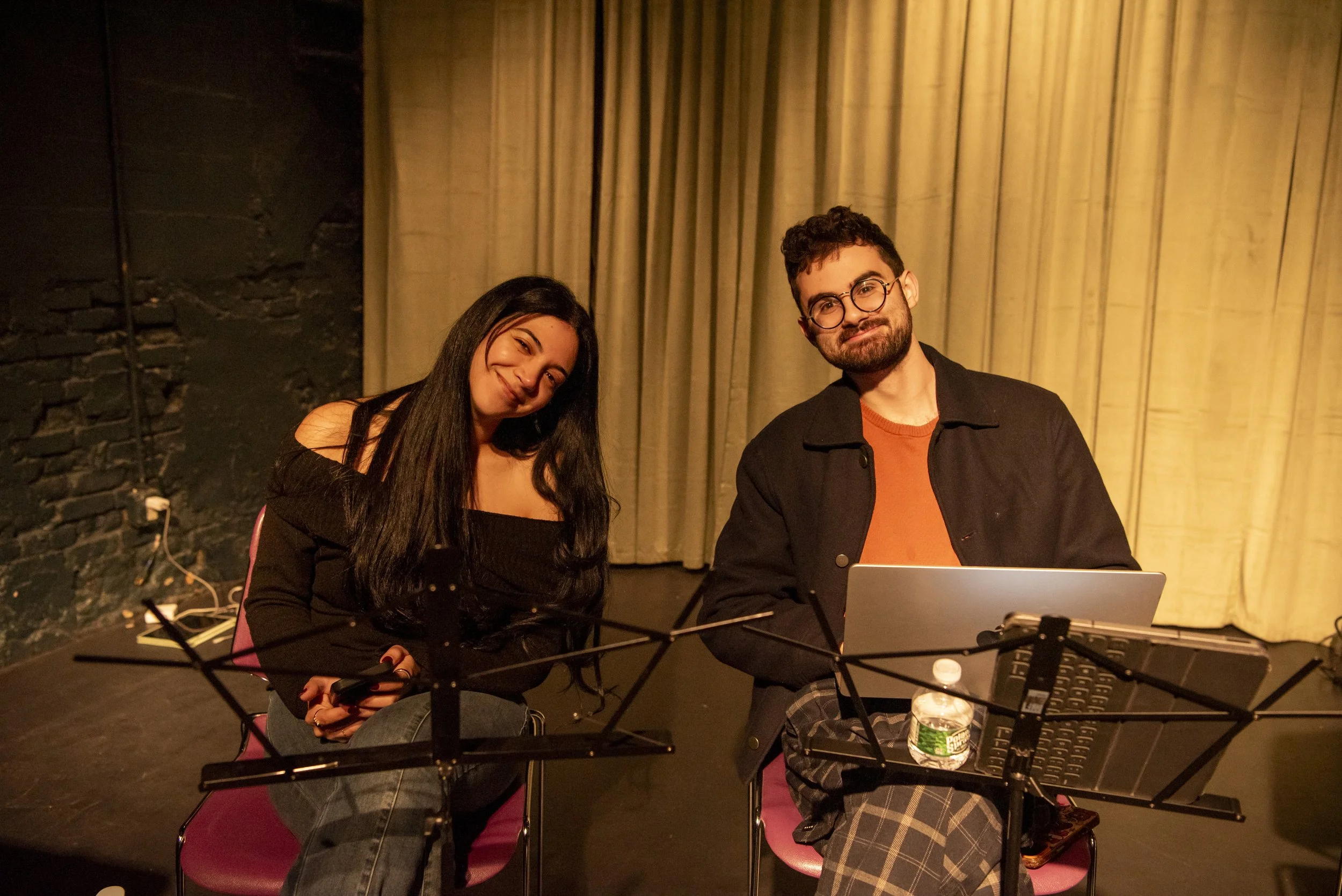
12/6/2025 - Table Reading of 2nd draft with support from San Francisco Arts Commission, Center for Cultural Innovation and Golden Thread Productions.
2/23 - 3/1/26 ACT 1 Workshop at Meem Studio, Brooklyn, NY
Upcoming: 2026 Date TBD - Invited by Linda Lucero, Executive Artistic Director of Yerba Buena Garden Festival to present a 90-minute concert of songs from “Mornings in Jenin Musical” in downtown San Francisco. Performance will feature 7 actors/singers and a 6-member fusion orchestra featuring oud, bass, guitar, strings, synthesizer, electronics, ney (reed flute) kanun and drums.
-
The full production features a cast size of 12 and a 6-member fusion ensemble with oud, bass, guitar, violin, viola, cello, synthesizer, ney (reed flute), qanun, and drums.
-
CAST OF CHARACTERS
AMAL - Palestinian Refugee
YOUNG AMAL - Younger Self
YOUSEF / YOUNG YOUSEF - Amal’s Brother
HUDA / YOUNG HUDA - Amal’s best friend
DALIA / YOUNG DALIA - Amal’s mother
HASAN / YOUNG HASAN - Amal’s Father
DAVID - Amal’s long lost brother, Kidnapped as a baby
MAJID - Amal’s husband
FATIMA - Yousef’s wife
SARA - Amal’s daughter
HAJ SALEM - Elder of Jenin Refugee Camp
BASIMA - Amal’s Grandmother
YEHYA - Amal’s Grandfather
ARI - Hasan’s Jewish best friend
JAMIL - Huda’s son
MANSOUR - Huda’s son
SISTER MARIANNE - Volunteer Nun in Jenin Refugee Camp
DRINA, LAYLA, YASMINA - Palestinian Orphans
-
CASTING NOTES
Ethnicity: Most principal characters are Palestinian or of Palestinian descent; David, Moshe, Ari, and Jolanta are Jewish/Israeli; other supporting characters include international and Western roles.
Gender/Sexuality: As written. Flexibility possible in casting nonbinary or gender-expansive performers where appropriate, while maintaining core cultural context.
Instrumentation: Some performers may play live instruments (oud, guitar, percussion, ney (flute)) if musically inclined; not required.
Age / Multiple Roles: Because the story spans from the 1940s to 2003, most actors will play their characters across multiple ages or portray more than one role. This allows for fluid storytelling and emphasizes the continuity of memory, legacy, and perspective across generations.
Principal Characters: The central character, Amal, is the only role split between two actors — Young Amal and Adult Amal — to anchor the emotional core of the story and trace her transformation over time. Other principal roles such as Huda (Amal’s best friend), Hasan (her father), and Dalia (her mother), should be cast with actors capable of portraying both younger and older versions of themselves. These transitions should feel seamless and truthful, emphasizing emotional throughlines over literal physical aging.
Ensemble / Doubling:
Secondary and minor roles will be doubled within the 12-person cast. Ensemble members may play friends, neighbors, or historical figures at different points in the story. Doubling should be done thoughtfully to support clarity of storytelling, with clear distinctions in costume, voice, and physicality to help the audience track multiple identities.
Team
-
![]()
AMAL BISHARAT
PRODUCER, WRITER, CO-COMPOSER, LYRICIST
Amal Bisharat (she/her) is a Palestinian-American multidisciplinary artist- a theater director, producer… Read more
-
![]()
Bahar Royaee
CO-COMPOSER, ARRANGER, SOUND DESIGNER
Bahar Royaee (she/her) is an Iranian composer/sound designer whose acoustic and electro-acoustic music … Read More
-
![]()
MARINA JOHNSON
DRAMATURG
Marina Johnson is a Ph.D. candidate in TAPS at Stanford University (M.F.A in Directing, University of Iowa)… Read More
-
![]()
Sahar Assaf
CONSULTANT
Sahar Assaf(she/her) is a Lebanese theatremaker and professor. She has been active in the Lebanese theatre … Read More
-
![]()
Maya Nazzal
DEVELOPMENT PRODUCER
Maya Nazzal is a Palestinian-American actor and writer based in San Francisco and London. … Read More
-
![]()
T.C. DEWITT
SCRIPT EDITOR
T.C. De Witt is a multi-awarded writer/director originally from Wisconsin and now based in Los Angeles… Read More
-
![]()
Yasaman Asgari
ADMINISTRATIVE ASSISTANT, MUSIC ARCHIVIST
Yasaman Asgari is an Iranian-American multimedia artist currently based in Berlin and the Bay Area… Read More
-
![]()
Max Bowman
PROJECTION AND LIGHTING
Maxwell Bowman is a lighting and multimedia designer with side endeavors in interactive art and … Read More
-
![]()
Hana Sami
PALESTINIAN MUSIC AND CULTURE CONSULTANT
Hana Sami (she/her) is a Palestinian Arabic language instructor and translator currently based in Istanbul… Read More



grateful for support From






San Francisco Arts Commission, Center for Cultural Innovation, Zoo Labs Fund, Theatre Bay Area, Doria Feminist Fund, Golden Thread Productions, Art2Action